Why Archival Quality Matters:
The Materials behind the painting
When you invest in a custom oil painting, you're not just commissioning a piece of art; you're commissioning a family heirloom. One of the most important aspects of creating fine art is the quality of the materials used. As a classically trained oil painter, I’ve built my process around craftsmanship, permanence, and respect for tradition. Every decision I make, from the surface I paint on to the brush I use, supports the goal of creating work that will stand the test of time.
Archival quality refers to materials that are chemically stable, non-yellowing, and designed to last for generations without degrading. These aren’t mass-produced prints or digital replicas; they’re fine art, created with conservation in mind.
Unfortunately, not all oil paintings are created equal. Works made with cheap canvas, student-grade paints, or non-archival mediums will crack, discolor, or even deteriorate entirely over time.
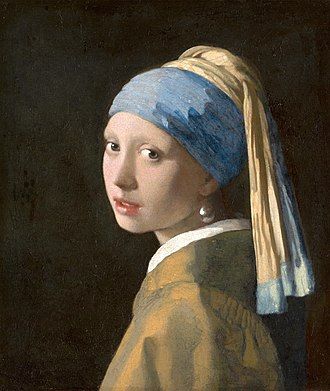
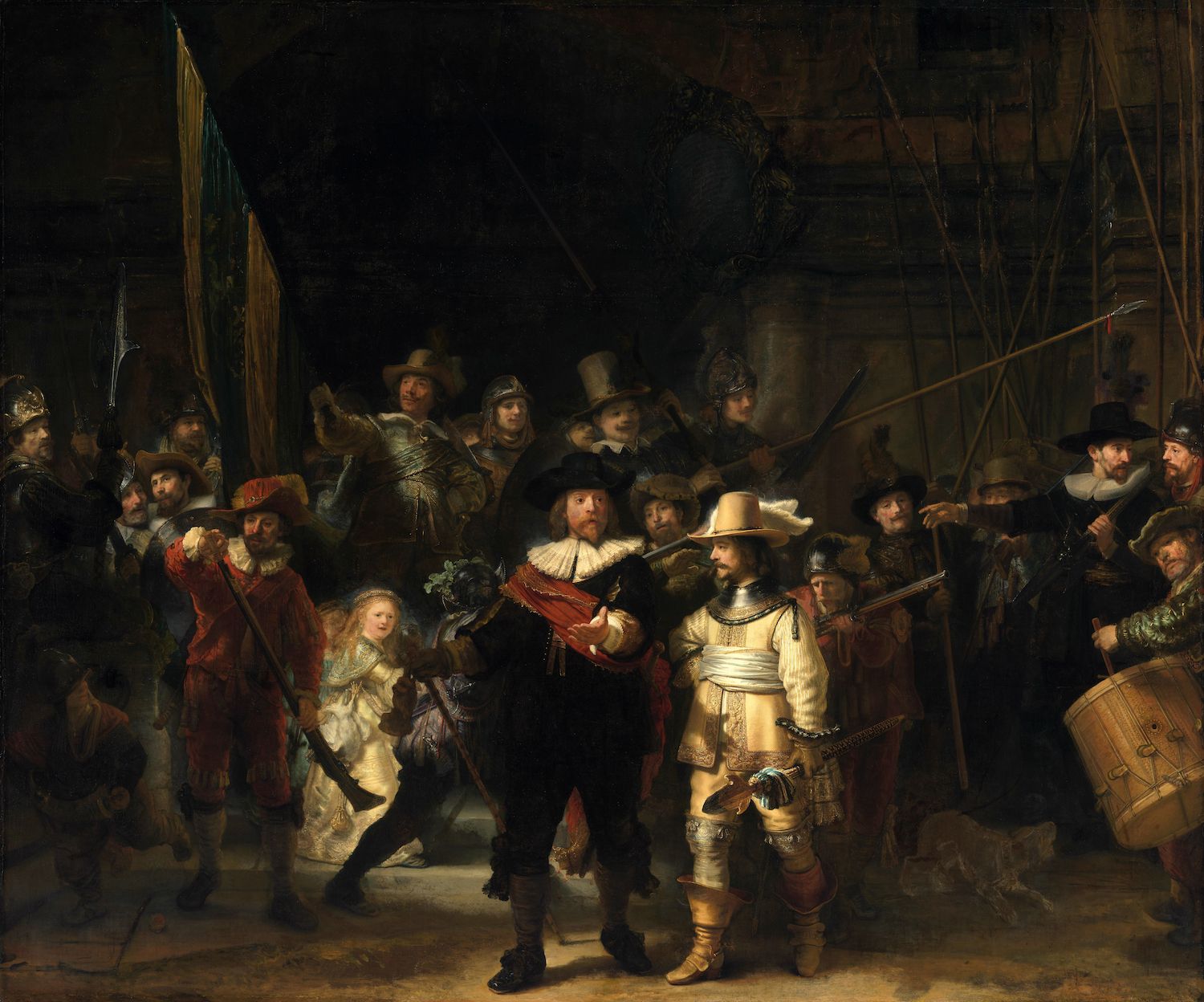
By contrast, archival oil paintings created with high-quality materials and professional technique are built to endure. Just look at the works of the Old Masters: Johannes Vermeer’s Girl with a Pearl Earring (1665) or Rembrandt’s The Night Watch (1642), which still commands attention nearly 400 years later. Despite its massive scale and passage of time, Rembrandt’s brushwork and detail remain remarkably well-preserved thanks to his choice of materials and techniques.
Those same principles guide every painting I create today. From the surface I work on to the pigments and brushes I choose, each material supports the goal of creating work that will stand the test of time.
To ensure each of my paintings is a true heirloom, I use only the highest-quality, professional-grade materials:
Oil-Primed Linen
I paint exclusively on oil-primed linen. This is a surface preferred by master painters for its fine texture, durability, and superior archival performance. Unlike cotton canvas, linen is less prone to stretching and warping over time. The oil priming creates a luminous surface that allows paint to sit cleanly on top, enhancing both color and control.
Old Holland Paints
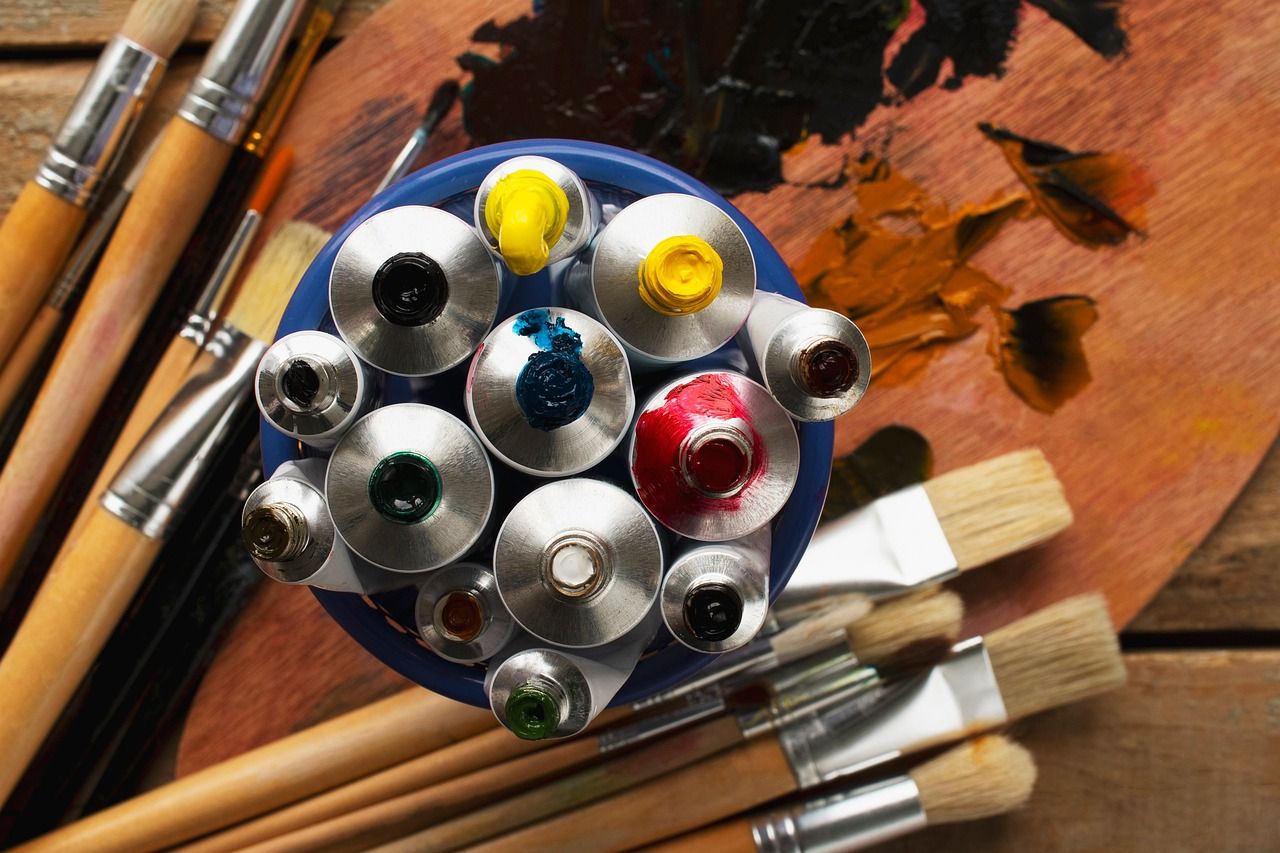
I work with Old Holland oil paints, one of the oldest and most respected brands in the world. Known for their exceptionally high pigment load and time-tested formulations, these paints offer unmatched vibrancy, permanence, and richness. While the Old Holland brand was officially established after Rembrandt’s time, it continues the Dutch painting traditions he helped define, using many of the same pigments and processes artists like himself would have relied on.
Sable Hair Brushes
Precision matters, especially in realism. That’s why I rely on sable hair brushes, chosen for their delicate control, smooth blending, and responsiveness on the canvas. These tools allow me to capture the subtle transitions, fine details, and lifelike presence that define my work.
Thoughtfully Chosen Additives
While the foundation of my work lies in traditional technique, I also use a few key additives to control the working properties of my paint:
• Gamsol: A gentle, low-toxicity solvent, used during the early stages of painting to create a clean, stable foundation known as an underpainting.
• Clove Oil: Slows drying time, allowing me to blend and work with the paint for longer. This extended time is especially valuable for paintings that evolve over several weeks
• Glazing Medium: Used in later layers to build depth and luminosity. This creates that glowing, life-like effect that oil painting is known for.
When you commission a painting from me, you’re getting more than just a portrait. You’re getting a piece crafted with intentional care, lasting materials, and masterful technique.
An archival painting isn’t just a work of art. It’s a long-term investment in beauty, meaning, and memory. Whether it’s a portrait of your horse, a still life, or a scene from travel, you can feel confident knowing it was built to last.