reference photos:
When it comes to creating realistic portraits, the quality of the reference image can make or break the final result. As a painter who strives for realism, I depend on high-quality, carefully selected images to capture the true essence of my subjects. Whether you’re an artist or someone commissioning a piece, understanding why this matters can significantly improve the outcome of the artwork.
Why Quality Matters
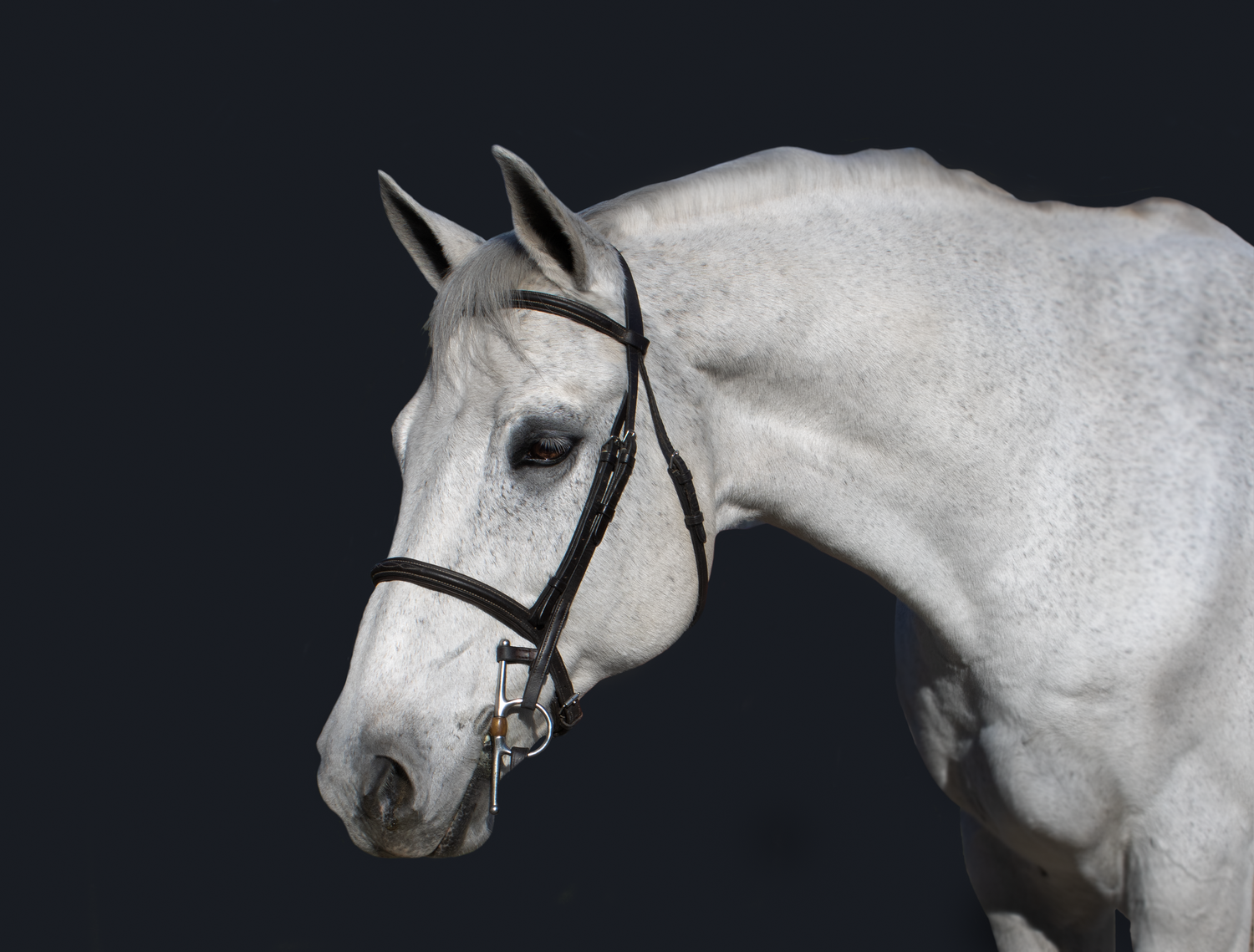
The most important element in creating a realistic portrait is being able to accurately capture the details. A high-quality reference image allows me to observe and recreate the textures, colors, and forms of the animal. Low-resolution or blurry photos make it difficult to see these essential details, leaving too much room for guesswork. When it comes to a commissioned piece, especially, you want to ensure that every nuance of the horse’s coat, muscle definition, and even the reflection in their eyes is accurately represented.
Light and Shadow: The Key to Depth
One of the most vital aspects of a good reference image is the balance between light and shadow. This balance, known as “value,” is what gives your painting depth and realism. Without a clear distinction between light and dark areas in a photo, a painting can look flat or unrealistic. A well-lit image highlights the three-dimensional form of the subject, which I can then translate into a lifelike portrait.
Ideally, the reference photo should have a single light source—natural light is best, as it provides a soft, consistent range of values. Harsh, artificial lighting or poor-quality photos can result in unnatural shadows and highlights that are difficult to paint in a way that feels authentic.
Color Accuracy
Accurately recreating the colors of the subject is crucial for realism. A high-quality reference photo allows me to clearly see the natural color transitions. If the photo has been edited or taken under poor lighting, these colors can become skewed, resulting in a portrait that doesn’t truly reflect the subject.
Copyright-Free Photos
If I’m not using my own photography, I make sure to choose reference images that are copyright-free. This is important not only from a legal standpoint but also for the integrity of the artwork. Using copyright-free images ensures that the final painting is original and created with respect to the photographer’s work, without the risk of violating any intellectual property laws. To work from an image that I did not take myself, I must have written permission.
Choosing a Reference That Resembles the Final Vision
To get the best result, the reference image should closely match the final vision of the portrait. If the client has a specific pose, expression, or background in mind, it’s important that the reference photo reflects that as closely as possible. This is especially true for commissioned work—if the reference image doesn’t align with the client’s vision, it becomes much harder to meet expectations.
The Limitations of Editing
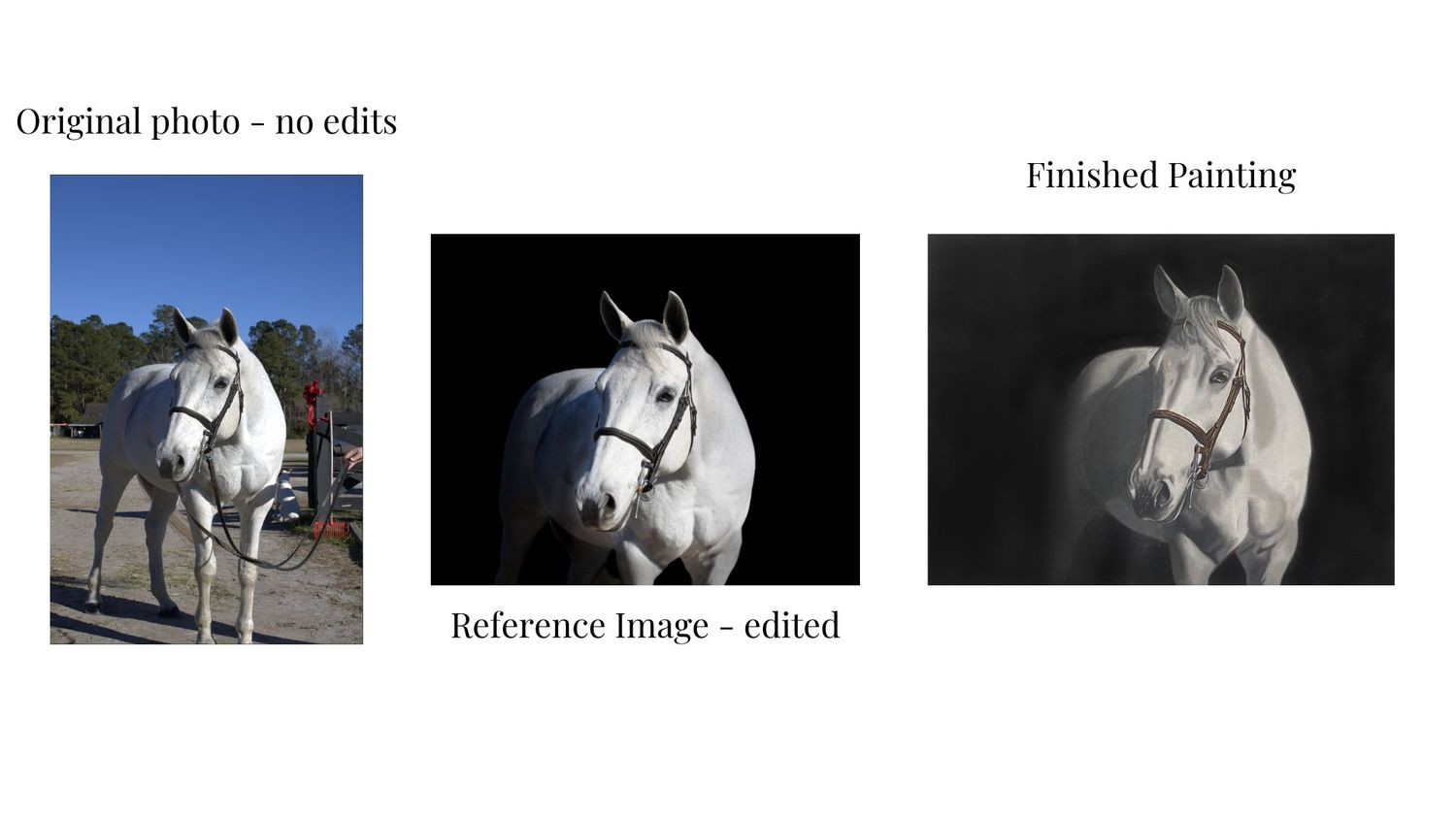
While some editing is inevitable—like removing reins, dirt, or minor imperfections—it can only do so much for a photograph. Significant elements, such as the composition and pose of the horse, must be established before the photo shoot. An awkward or unnatural pose can detract from the final portrait. Open communication with the client about desired poses ensures that the reference image captures the horse’s unique spirit and aligns with the artistic vision. Just like any other photoshoot, it is helpful to have the client prepared with “inspo” pictures beforehand.
What I Look For in a Reference Image
Resolution: The higher the resolution, the better. I need to zoom in on details without losing clarity.
Lighting: Soft, natural light with a clear balance between light and shadow.
Pose: The horse or animal should be in a natural, relaxed pose that highlights their personality and features.
Color Accuracy: The image should reflect the true colors of the subject, without heavy editing or filters.
Copyright-Free: If you’re sourcing an image online, make sure it’s free to use or that you have the photographer’s permission.
Final Thoughts
Painting from a high-quality reference image is essential to achieving a lifelike, accurate portrait. It helps me capture the smallest details, bring depth to the work, and create a final piece that reflects the beauty and character of the subject. Whether you’re commissioning a portrait or are an artist yourself, selecting the right reference photo is a crucial first step in the creative process.
If you’re unsure about choosing the best reference photo for a commission, feel free to reach out—I’m happy to offer guidance to ensure the final artwork captures your vision perfectly!